August always carries a particular kind of light: bright enough to expose things, soft enough to make them look temporary. In culture, it is the month when the year seems to pause just long enough for the field to reveal its real structure — what still matters, what is being repeated, and what can no longer hide behind the language of novelty.
This year, the structure is clear. The season is held together by major biennials and fairs, but the deeper current is elsewhere: in works that resist smoothness, in exhibitions that treat technology as a condition rather than a promise, and in curatorial thinking that returns again and again to care, responsibility, and relation.
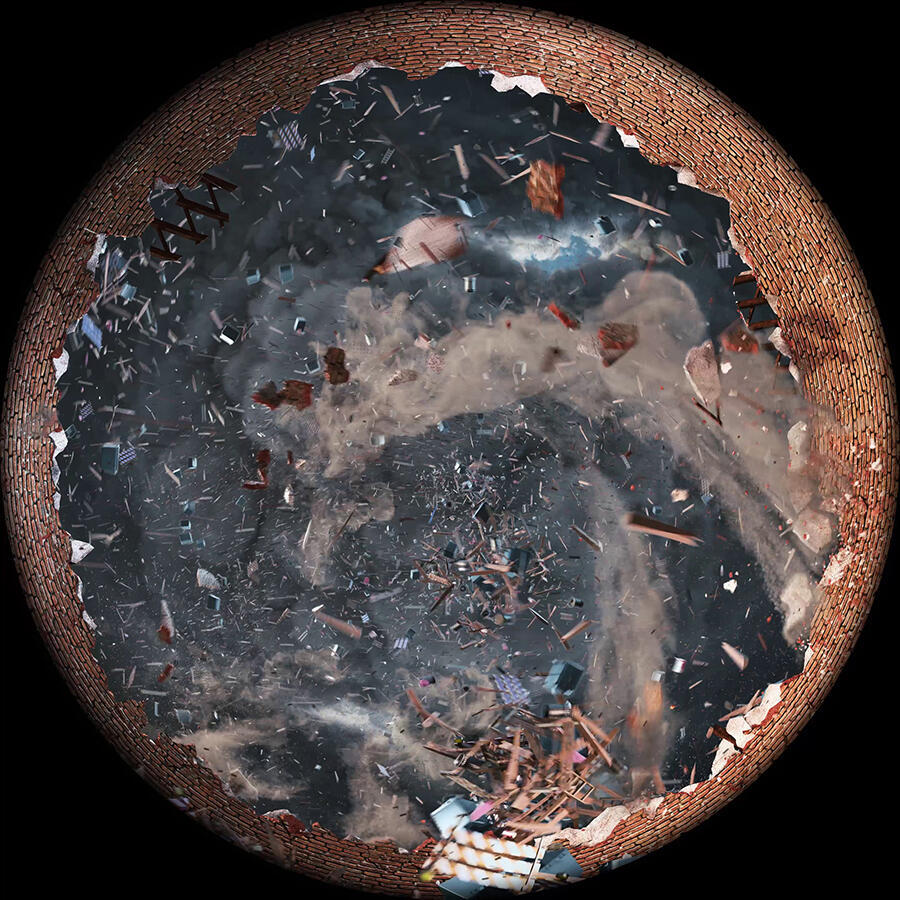
Michelle Lopez, still from Pandemonium, 2017–25, 360-degree animation. Courtesy: Michelle Lopez and the Whitney Museum of American Art
Venice remains the month’s most influential stage. In Minor Keys continues to define the biennial conversation not through spectacle alone, but through a wider sensitivity to atmosphere, fragmentation, and the politics of perception. New York’s Whitney Biennial and Manifesta 16 Ruhr extend that pressure across the Atlantic, while the late-August fairs in Copenhagen and Marseille bring the market back into view, reminding us that value and visibility are still negotiated in real time.
What is striking is the shared mood of art events. Across them, art seems interested in testing the present — how it is built, who gets to enter it, and what kinds of images can still carry meaning once circulation has become the dominant condition.
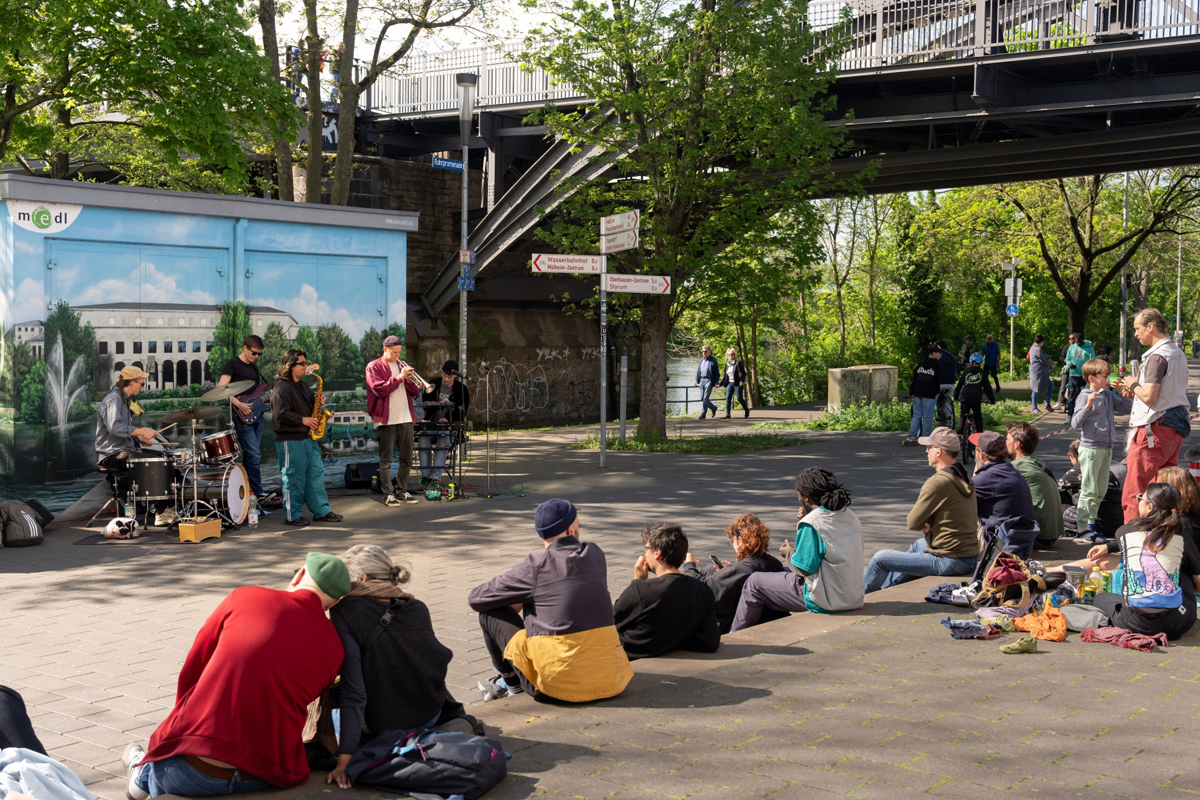
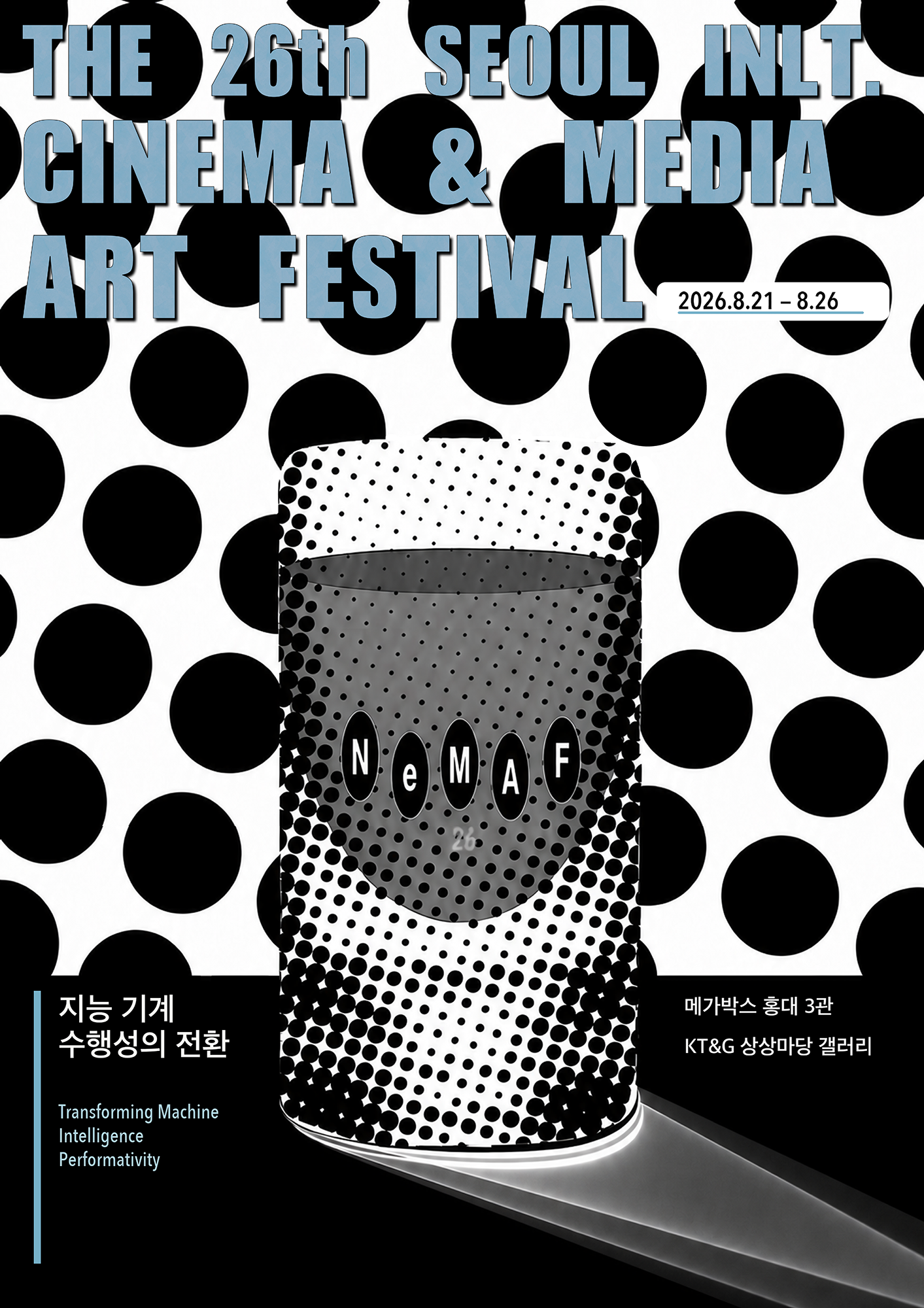
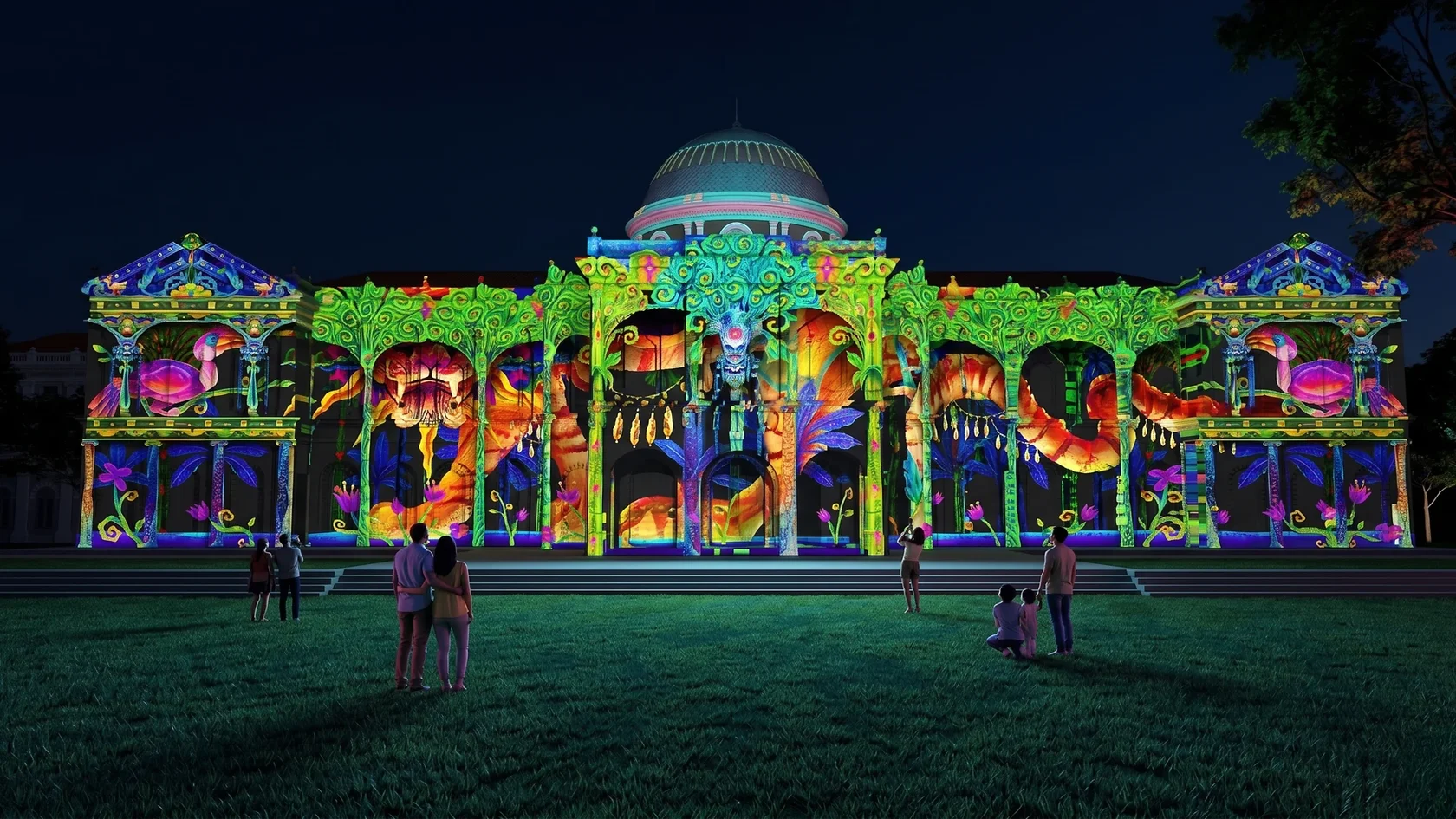
Asia gives August some of its most vivid examples of expanded visual culture. In Seoul, the ALT Cinema & Media Art Festival / NeMaF sustains a long conversation around screen culture, audiovisual experimentation, and the unstable body of the moving image. In Singapore, the Night Festival turns the city itself into a field of light, projection, and performance; in India, the Ladakh Biennale opens the month with a contemporary-art vocabulary shaped by distance, landscape, and local intensity. It's unfolding at an altitude above 3000 metres along the Leh-Kargil corridor and positions contemporary artistic practice within ecological, cultural, and social terrains (see image of the location above, hero image).
Together, these events suggest a regional aesthetic that does not separate image from environment. Light, sound, and installation are not decorative forms here; they are modes of inhabiting public space, and of making it briefly more porous.
NEMAF Poster, 2026Foto The Fox, The Folks | Artist Impression of Tales of Earth and Sea, Singapore Night Festival
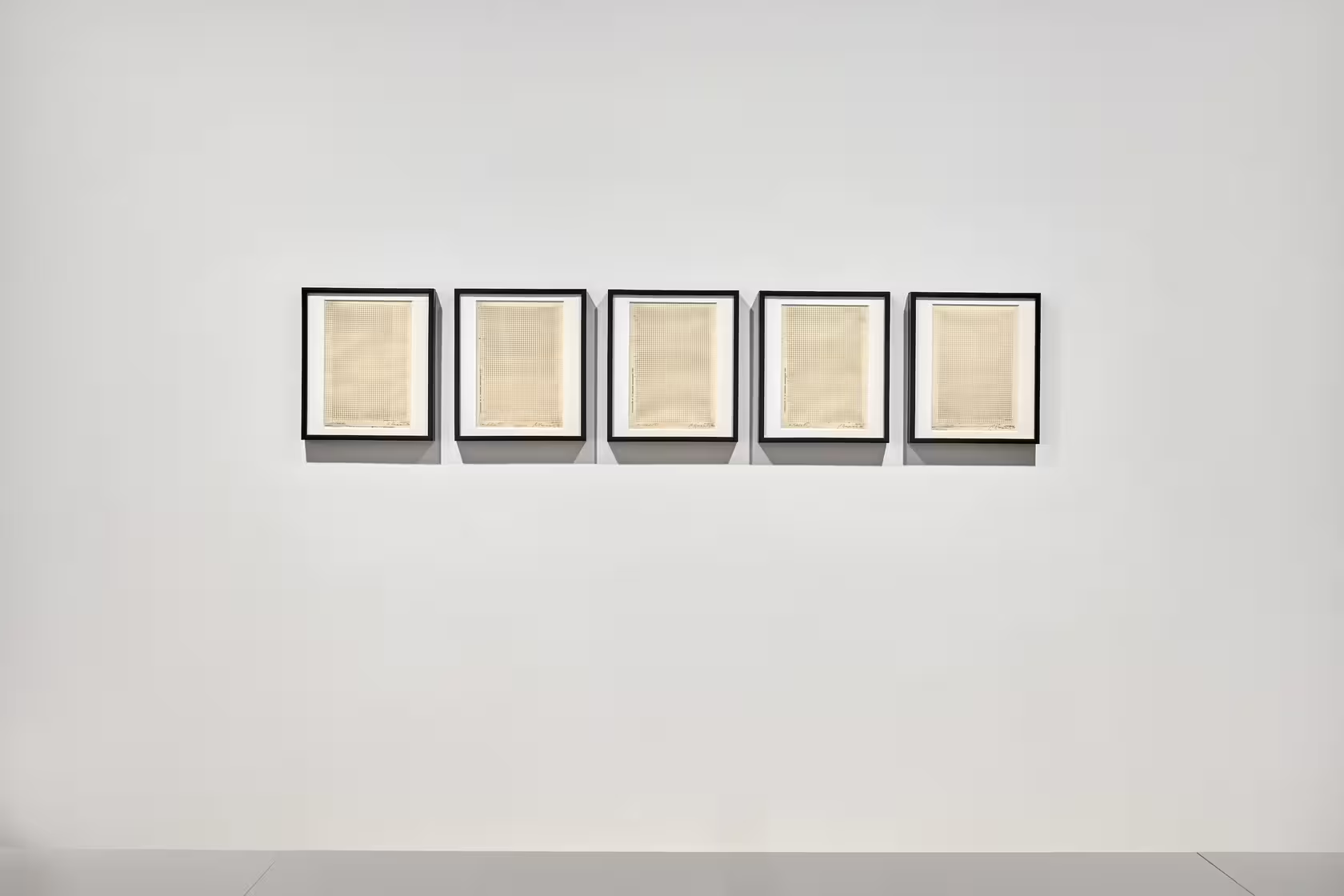
Latin America enters the month through circulation rather than one single dominant event. The Institute for Studies on Latin American Art (ISLAA) in New York, USA, supports the study and visibility of Latin American art — this month Bernardo Krasniansky (1951, Asunción, Paraguay–2021, São Paulo, Brazil) is in the spotlight. The show is focusing on the plastic possibilities of Xerox technology and technological transformations exploration in the 1970-80s.
That matters. Latin American contemporary art has long been one of the field’s most precise laboratories for memory, social friction, and hybrid form — all themes that feel unusually current in a month defined by digital overload and institutional self-questioning.
Installation view of Spotlight: Bernardo Krasniansky, ISLAA, 2026. Photo: Marc Tatti
The São Paulo Museum of Art (MASP) in Brazil has devoted its 2026 programme to Latin American Histories, a year-long exploration of how Latin America has been imagined, constructed, transformed, and contested—as both a geographical region and a shared, evolving cultural identity. The programme is led by Adriano Pedrosa, MASP’s artistic director and the first Latin American curator of the Venice Biennale, where he curated its 2024 edition.
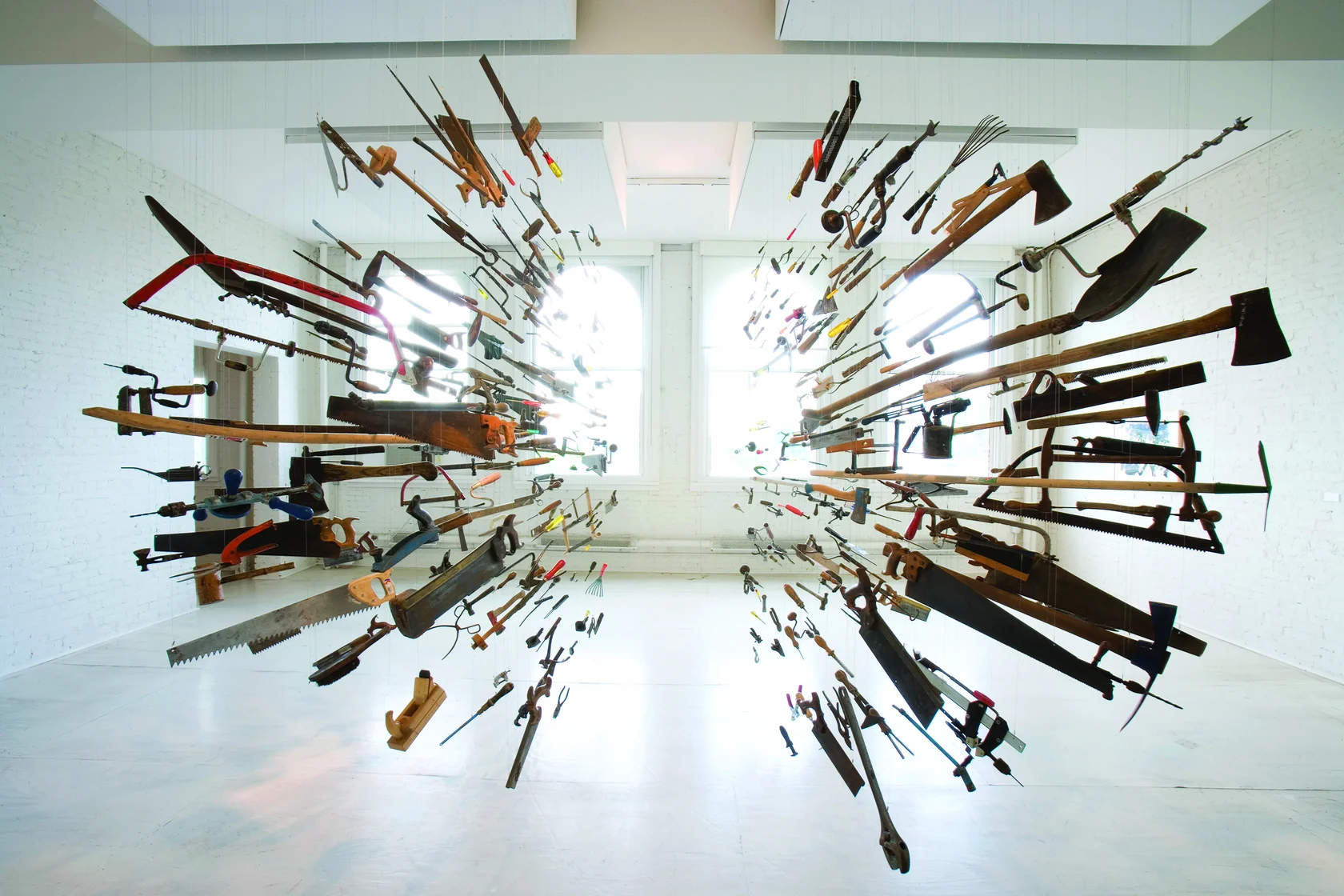
A major highlight of the year is Damian Ortega's Matter and Energy, on view at MASP in August 2026. The Mexican artist’s first major survey in South America brings together 35 works spanning more than three decades, including photography, video, sculpture, and installation. Ortega’s practice begins with familiar objects—cars, tools, materials, and everyday structures—and subjects them to processes of dismantling, suspension, and transformation.
Damián Ortega. Controller of the Universe, 2007. Found tools and wires
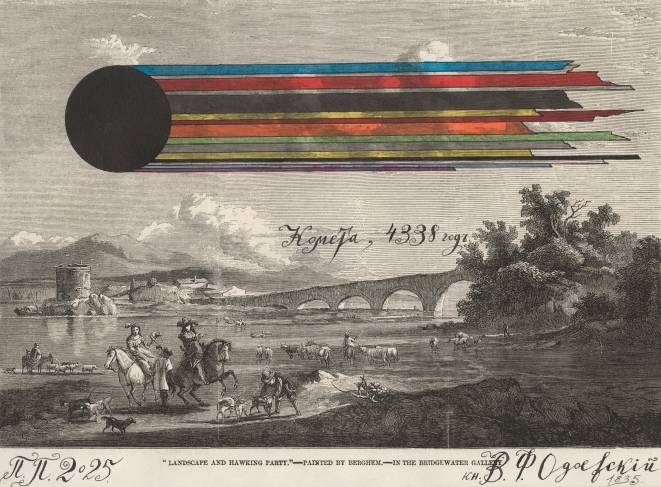
Moscow hosts the Second International Biennale “Art of the Future”, where neural networks, robotics, 3D animation, and 3D printing frame a discussion of what digital art can become when it stops pretending to be immaterial.
Pavel Pepperstein, Comet 4338. 2025, mixed media
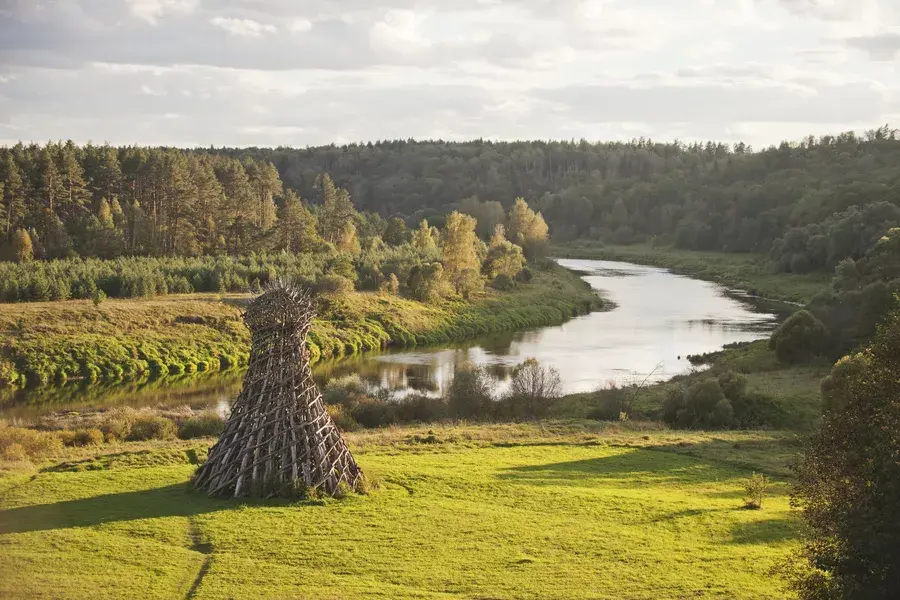
The Signal Festival of contemporary music, art, and architecture will return to its traditional setting at Nikola-Lenivets Art Park in Russia’s Kaluga Region from 20 to 24 August 2026. After last year’s programme was relocated to Moscow for security reasons, the festival will once again unfold across the park’s forests, fields, meadows, and monumental art installations, subject to the necessary approvals. For four days, Nikola-Lenivets will become a shared stage for music, contemporary art, and architecture. Rather than separating performances from their surroundings, Signal treats the landscape as an active part of the programme: a spatial and atmospheric environment in which sound, light, structures, and human movement intersect.
The 2026 line-up brings together established Russian artists and international performers from Colombia, Chile, Romania, and the United Kingdom. The programme spans experimental electronics, techno, ambient, breakbeat, post-punk, avant-rock, and electronic pop. The festival’s tenth-anniversary season also included Signal Factory, an urban spin-off held in June 2026 at the Kristall factory in Moscow. Its programme combined music, media installations, theatre, lectures, and creative-community projects, extending Signal’s dialogue between contemporary culture and transformed industrial spaces.
At Nikola-Lenivets, however, the festival returns to its essential condition: culture experienced at a distance from the city, where architecture becomes a landmark, music becomes part of the landscape, and the natural environment is not a backdrop but one of the event’s principal media.
Nikola-Lenivets, the largest art-park in Europe
The aesthetic direction of 2026 is increasingly legible. Trend writing points toward imperfection, collage, tactile surfaces, and emotionally direct work, a marked response to AI sameness and over-optimized image culture. The polished digital image no longer feels sufficient; what feels urgent now is the trace of the hand, the mark of use, the evidence that something was made. It is ethical shift, not merely stylistic. It asks whether technology can still be used to create relation, whether exhibition can still produce attention, and whether incompleteness might be a more truthful form.
The cultural code of August is not speed, and it is not spectacle. We observe attunement: to partial forms, to unstable images, to the places where systems break and meaning begins to show itself. In that sense, August is less a conclusion than a diagnostic month — a way of reading where culture is now, and what it quietly refuses to become.